

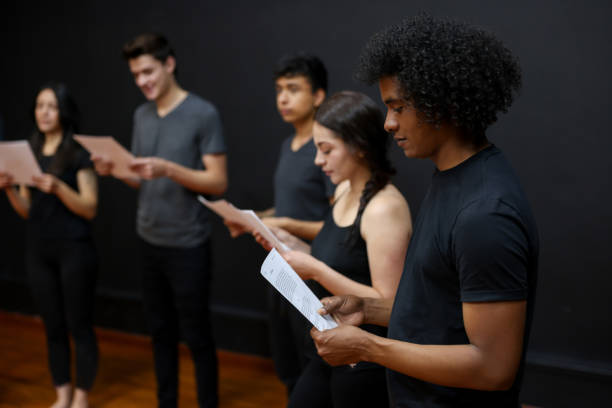
Stepping into your first online acting class can be both exciting and nerve-wracking. While the virtual nature of these classes might feel unfamiliar, they offer a strong foundation for developing your craft. Here’s what you need to know about setting yourself up for success.
Setting Up Your Space
- Choose a quiet location: Find a space free from distractions, where you won’t be interrupted during class.
- Ensure good lighting: Proper lighting allows your instructor and peers to see your expressions clearly. Natural light or a simple desk lamp can work well.
- Clear some space: Acting often involves physical movement, so create enough room to stand, stretch, and engage fully in activities.
Technology Essentials
| Tool/Resource | Recommendation |
| Device | Use a laptop or desktop with a stable setup (a phone may suffice but limits visibility). |
| Internet | Ensure high-speed internet to avoid disruptions during interactive sessions. |
| Webcam | Opt for an external HD webcam if possible for better video quality. |
| Microphone | A good-quality microphone or headset enhances audio clarity when performing lines. |
Additionally, download any software required by the instructor ahead of time (e.g., Zoom or Google Meet). Test-run these tools prior to class.
What Happens During Class?
- Introductions and Icebreakers: Start by meeting your instructor and fellow participants through exercises designed to ease nerves and foster connection.
- Warm-Up Exercises: Engage in physical and vocal warm-ups that prepare you mentally and physically for acting work.
- Skill Development Activities: These may include learning techniques such as:
- Voice projection exercises
- Improvisation drills
- Scene breakdowns or monologue delivery
- Feedback Sessions: Classes often conclude with feedback on performances, helping you identify strengths and areas for improvement.
Preparing Yourself Mentally
- Be prepared to make mistakes—they are stepping stones toward growth.
- Stay receptive to constructive criticism; it’s meant to support your development.
- Adopt a collaborative mindset since many exercises involve working closely with peers.
General Tips for Success
- Arrive early to familiarize yourself with the digital classroom layout.
- Dress comfortably but avoid overly distracting patterns or accessories that might hinder movement or draw focus away from performances.
- Keep water nearby, as speaking continuously can strain your voice.
- Review provided materials (if any) before joining the class so you’re better prepared.
Starting an online acting journey requires preparation but also trust in the process—your growth will come through consistent effort and engagement throughout each session.
What to Expect from NYC Acting Classes and What You’ll Learn
Online acting classes have become an accessible platform for aspiring actors to develop their craft. By understanding the structure and content of these classes, you can set clear expectations and make the most out of your learning experience. Let’s break down what a typical online acting class entails and what skills you’re likely to acquire.
Typical Structure of an Online Acting Class
- The session usually begins with introductions, especially if it’s your first class.
- Breathing exercises to control your voice projection.
- Physical stretches for relaxation and body awareness.
- Vocal drills like tongue twisters or pitch exercises.
- The importance of subtext in dialogues.
- Understanding objectives in scenes (what the character wants).
- Introduction to popular acting methods like Stanislavski or Meisner.
- Performing monologues or short scenes via webcam.
- Partner work using breakout rooms for dialogue delivery or improvisation tasks.
- Receiving constructive feedback from peers and instructors.
- A collaborative discussion often follows the practical exercises:
- Reflection on performances—what worked well versus areas for improvement.
- Sharing insights about tackling challenging emotions or characters.
- Students have the opportunity to ask questions about techniques or career advice.
- Instructors typically conclude by summarizing key takeaways from the session.
- Homework assignments might be given such as preparing a specific monologue, recording a self-tape audition, or journaling emotions experienced during practice.
Skills You’ll Learn in Online Acting Classes
- Script analysis—learning how to dissect scripts for context, subtext, and motivation.
- Voice control—modulating tone, pitch, volume, and clarity for impactful dialogue delivery.
- Body language—using physicality effectively to convey emotion or intention.
- Building confidence in performing before others (even virtually).
- Active listening during partner scenes to create authentic interactions.
- Collaboration with classmates during group activities.
- Harnessing personal experiences via emotional recall without losing authenticity.
- Managing stage fright through relaxation techniques practiced during warm-ups.
Tips for Success in Online Acting Classes
- Ensure your tech setup is reliable: | Equipment Needed | Purpose | |————————-|——————————————–| | Laptop/PC with webcam | For clear video visibility | | Stable internet connection | To avoid lag during live interactions | | Quality microphone | For clear audio communication |
- Create a distraction-free space where you can move around freely during physical exercises or performances.
- Practice regularly outside class hours—repetition strengthens your muscle memory for both lines and movements.
Online acting classes provide structured opportunities to immerse yourself into the world of performance art while receiving tailored guidance from professional instructors—all within the comfort of your home setting.
Discover What New York Acting Schools Teach in Online Acting Classes
Online acting classes have gained significant popularity, providing aspiring actors with the flexibility to learn from anywhere. Understanding the structure of these classes and what they typically entail can help students approach their training with confidence and clarity. Here’s a detailed breakdown of what you can expect and the skills you are likely to acquire.
General Structure of an Online Acting Class
- Conducted via video conferencing platforms like Zoom or Google Meet.
- Instructors guide students through techniques, exercises, and scene work in real-time.
- Students receive immediate feedback on their performance.
- Supplemental video content covering theoretical concepts (e.g., acting methods or character analysis).
- Allows students to revisit material at their own pace.
- Includes warm-ups, improvisational exercises, or scene rehearsals with peers.
- Focuses on collaboration and building chemistry among participants.
- Solo monologue practice or self-tapes submitted for review.
- Encourages self-reflection and personal growth.
- Dedicated time for students to ask questions about techniques, industry insights, or specific challenges they face.
Key Components You’ll Learn in an Online Acting Class
| Component | What You’ll Learn |
| Voice & Speech Training | Techniques to improve diction, vocal projection, and clarity. |
| Movement & Body Language | Exercises that enhance physical expression and stage presence. |
| Improvisation Skills | Building spontaneity and quick thinking through unscripted scenarios. |
| Script Analysis | Identifying character motivations, themes, and subtext within scripts. |
| Scene Work | Practical application of learned techniques in group or solo settings. |
| Audition Techniques | Tips on preparing resumes, headshots, self-tapes, and live auditions. |
Benefits of a Well-Structured Online Class
- Accessibility: Students can join from any location without commuting.
- Diversity: Exposure to instructors or classmates from varied backgrounds enriches the learning experience.
- Flexibility: Many programs offer recorded sessions for busy students balancing multiple commitments.
These classes cater not only to beginners but also those looking to refine their craft further.
How These Classes Differ From In-Person Training
- Improved focus on camera-specific techniques due to reliance on digital tools.
- Increased emphasis on self-discipline since much of the work is done independently.
- Challenges such as occasional technical difficulties that require adaptability from both instructors and students.
By understanding the structure of online acting courses and actively engaging in all aspects offered by these programs, students can build foundational skills that prepare them for both virtual performances and live stage opportunities alike.
Finding the Best Acting Coach New York Has to Offer for Online Classes
Online acting classes have grown immensely popular due to their accessibility and flexibility. However, fostering meaningful interaction and participation in a virtual environment can be challenging. Here are strategies and tips to enhance engagement during online acting courses, ensuring you make the most out of your learning experience.
Set Up a Dedicated Learning Space
- Choose a quiet area: Ensure there’s minimal background noise or interruptions.
- Adequate lighting: Proper lighting allows instructors and classmates to see your expressions clearly during scenes or exercises. Natural light or soft LED lighting works well.
- Reliable internet connection: Ensure your Wi-Fi or wired connection is strong enough to support video calls without lagging or freezing.
A functional learning space not only boosts confidence but also demonstrates professionalism.
Actively Engage with Your Instructor and Peers
- Participate in discussions: Be proactive when instructors ask for feedback, insights, or thoughts on performances.
- Ask questions: Whether it’s about technique, feedback, or clarification on an exercise, asking questions shows genuine interest.
- Offer constructive input to peers: When encouraged by your instructor, share observations about others’ performances with kindness and respect.
Building rapport within an online setting strengthens group dynamics while creating a sense of community.
Embrace Virtual Acting Exercises
- Use physical gestures sparingly but effectively within camera view.
- Maintain eye contact by looking into the camera when performing monologues or dialogues (unless instructed otherwise).
- Adapt vocal techniques for clarity since microphones may amplify sound differently compared to live settings.
These adjustments ensure that your performance translates well through digital platforms.
Leverage Technology for Better Interaction
| Tool/Feature | Purpose |
| Breakout Rooms | Practice scenes with smaller groups |
| Chat Function | Share quick comments/questions during class |
| Screen Sharing | Present scripts, notes, or visual aids |
Make sure you’re familiar with these tools before joining class so you can seamlessly navigate tech-based activities.
Tips for Overcoming Stage Fright Online
- Practice breathing techniques before performances.
- Warm up physically and vocally beforehand.
- Rehearse frequently outside class hours to build confidence.
Remember that nervousness is natural—embrace it as part of your growth journey instead of resisting it entirely.
Cultivate Discipline Outside Class Hours
- Revisit recorded sessions if available (to analyze areas for improvement).
- Memorize scripts thoroughly so time spent interacting focuses on delivery rather than line reading.
- Experiment with improvisation exercises at home to keep creativity sharp between sessions.
Discipline outside classroom walls shapes how much value you’ll ultimately extract from remote learning opportunities.
By implementing these strategies consistently across sessions combined w/ openness toward collaboration—you’ll maximize both confidence & technical mastery amidst unique challenges persistent within digitized actor-training spaces

Mastering Your Craft: Overcoming Challenges with Acting Classes NYC
Entering the world of acting is an exciting journey, but it comes with its fair share of challenges. Many aspiring actors face hurdles that can test their confidence, resilience, and dedication. Understanding these common challenges and learning how to navigate them can help set you up for long-term success in your acting career.
1. Building Confidence in Your Abilities
One of the most significant obstacles for new actors is developing self-confidence. It’s common to feel intimidated when auditioning, performing in front of others, or showcasing your talent publicly.
Strategies to Build Confidence: – Practice Regularly: Rehearse monologues or scenes daily to refine your skills. – Seek Constructive Feedback: Work with a trusted mentor or acting coach who can provide actionable advice. – Join Supportive Communities: Connect with other aspiring actors through social media groups or local theater organizations. – Celebrate Small Wins: Whether it’s nailing a line or improving your body language, recognize every step forward.
2. Managing Rejection and Criticism
Rejection is an inevitable part of the acting world. Not landing a role doesn’t necessarily reflect poorly on your talent but may simply mean you weren’t the right fit for that specific part.
How to Handle Rejection: – View rejection as a learning opportunity rather than a setback. – Keep refining your craft after every audition by working on areas that need improvement. – Develop resilience by focusing on long-term goals rather than short-term setbacks.
3. Financial Constraints
Pursuing an acting career often involves financial investment in classes, headshots, transportation to auditions, and more. Budgeting for these expenses can be challenging for beginners.
Solutions to Financial Challenges: | Expense | Affordable Alternatives | |————————–|——————————————————-| | Acting Classes | Look for community theater workshops or online courses.| | Professional Headshots | Start with quality photos from local photographers. | | Costumes/Props | Use thrift stores or borrow items creatively. |
4. Balancing Acting with Other Responsibilities
For many aspiring actors, juggling acting commitments with work, school, or family obligations can feel overwhelming.
Time Management Tips: – Set aside specific hours each week dedicated solely to rehearsals and auditions. – Use tools like calendars or task management apps to stay organized. – Communicate openly with employers or loved ones about your schedule so they can support you better.
5. Dealing With Self-Doubt
Self-doubt is another major challenge that often holds new actors back from reaching their full potential. Questions like “Am I good enough?” can create mental barriers that hinder growth.
Ways to Overcome Self-Doubt: – Reflect on why you started acting; reconnecting with your passion helps build motivation. – Focus on progress rather than perfection—every small improvement matters. – Surround yourself with supportive peers who encourage growth instead of criticism.
6. Navigating Networking Challenges
Building connections within the entertainment industry is vital for finding opportunities but intimidating for those just starting out.
Networking Tips for Beginners: – Attend industry events such as casting workshops and film festivals where you can meet professionals. – Be active on social platforms like LinkedIn and Instagram where casting directors post updates. – Always remain professional yet approachable; first impressions matter greatly in this field.
Overcoming these challenges may not happen overnight, but persistence combined with preparation will pave the way toward achieving success as an actor over time.
Acting Techniques Every Beginner Should Know to Build a Strong Foundation
1. The Stanislavski System
Developed by Konstantin Stanislavski, this method emphasizes realism and emotional authenticity. The actor’s goal is to create believable performances by fully immersing themselves in the character.
Key Elements: – Given Circumstances: Understand the character’s background, setting, relationships, and environment. – Objectives: Focus on what your character wants in each scene (often referred to as “the objective”). – Emotional Memory: Tap into your own life experiences to evoke genuine emotions.
2. Meisner Technique
Created by Sanford Meisner, this technique prioritizes genuine reactions and active listening between actors.
Key Practices: – Repetition Exercises: Helps actors focus on their partner’s behavior instead of their own. – Living Truthfully Under Imaginary Circumstances: Respond authentically to what’s happening in the scene.
3. Method Acting
Popularized by practitioners such as Lee Strasberg, Method Acting requires deep emotional commitment and physical preparation.
Common Traits: – Fully embodying the role both onstage/offscreen and off. – Employing sensory exercises to recall emotions or sensations akin to the character.
4. Improvisation Skills
A strong foundation in improvisation teaches adaptability, creativity, and quick thinking—skills vital for auditions or unexpected moments during performances.
Suggestions for Practice: – Join an improv class or group. – Practice short-form games like “Yes, And…”.
5. Voice Work
Clear diction and vocal control are essential for delivering lines effectively.
Techniques Include: – Practicing tongue twisters for clarity. – Working with diaphragmatic breathing exercises for vocal strength.
| Exercise | Purpose |
| Tongue Twisters | Improves clarity & enunciation |
| Vocal Warmups | Loosens vocal cords |
| Pitch Exercises | Broadens range & dynamic delivery |
6. Body Awareness and Movement
An actor’s physicality communicates just as much as their words. Movement-based training enhances body language awareness while fostering more expressive performances.
Recommendations: – Explore movement systems like Laban Movement Analysis or Alexander Technique. – Engage with yoga or dance classes to improve flexibility and coordination.
Tips for Practicing These Techniques
To effectively integrate these foundational skills into your craft: 1. Practice daily—even small exercises matter over time. 2. Record yourself performing monologues or scenes for self-review. 3. Use feedback constructively from peers or instructors. 4. Experiment with combining techniques to develop versatility.
By building on these principles early in your acting journey, you will create a strong foundation that supports growth over time while setting yourself apart as a capable performer in any role you take on.
The Benefits of Acting Workshops and How They Can Elevate Your Skills
Acting workshops provide a structured and immersive environment for actors at any stage of their journey to grow, refine, and master their craft. Unlike traditional acting classes, workshops often focus on specific techniques, styles, or skills, offering an opportunity to dive deep into areas of improvement or explore new methods. Below is an overview of the benefits these workshops provide and how they can elevate your performance abilities.
Advantages of Attending Acting Workshops
- Skill Development
Acting workshops are highly focused learning environments. Whether you’re working on improvisation, voice modulation, physicality, or scene study, these sessions are tailored to enhance specific skills that every actor needs. - Learn how to properly analyze a script for subtext.
- Practice monologues with expert guidance.
- Develop better emotional range through targeted exercises.
- Networking Opportunities
Workshops bring together like-minded individuals, including aspiring actors, experienced professionals, and even industry insiders. This creates a valuable opportunity to: - Build connections with peers for future collaborations.
- Gain insights from industry experts who offer mentorship.
- Receive feedback from seasoned professionals.
- Hands-On Experience
Many acting workshops involve live demonstrations and practical exercises rather than purely theoretical lessons. This approach helps you: - Work on scenes in real-time with partner actors.
- Improve through trial-and-error under the guidance of instructors.
- Receive instant feedback on your performance.
- Confidence Building
Being part of a group setting allows you to step out of your comfort zone in a supportive atmosphere. This fosters: - Greater self-assurance in performing in front of an audience.
- Improved ability to handle auditions or public speaking scenarios.
- Resilience when dealing with constructive criticism.
Choosing the Right Workshop
| Factor | What to Look For |
| Instructor’s Credentials | Ensure the trainer has experience both in teaching and the entertainment industry. |
| Focus Area | Choose workshops that specialize in your area of interest (e.g., method acting, voice work). |
| Duration & Format | Decide between short-term intensives or longer programs based on your schedule flexibility. |
| Class Size | Smaller classes allow for more individualized attention from instructors. |
Practical Tips for Making the Most of Workshops
- Do Your Research: Familiarize yourself with workshop objectives before enrolling.
- Be Open-Minded: Be willing to step out of your comfort zone when trying new techniques.
- Prepare Materials: Bring necessary scripts or monologues if requested beforehand by organizers.
- Take Notes: Jot down actionable insights during sessions for future reference after the workshop ends.
Long-Term Impact on Your Career
Participating in acting workshops consistently can significantly impact your overall career trajectory by equipping you with techniques that translate seamlessly into auditions and performances. It sharpens not only your technical skills but also helps develop soft skills like adaptability, teamwork dynamics during ensemble pieces, and communication clarity—all critical traits for long-term success in acting.
Incorporating regular participation in well-structured workshops into your training routine could be instrumental in distinguishing yourself within this competitive field while achieving greater artistic growth over time.
Exploring Kids and Teen Acting Classes for Young Aspiring Performers
Acting classes for kids and teens provide a fantastic opportunity to nurture creativity, build confidence, and develop foundational skills in performance. Whether the goal is to explore acting as a hobby or pursue it professionally, these classes can be transformative for young aspiring performers. Below are insights into what makes acting classes valuable for youth, what parents should expect, and how children can benefit from them.
Benefits of Acting Classes for Kids and Teens
- Performing in front of peers helps young actors become comfortable expressing themselves in public settings.
- Small achievements in class provide a sense of accomplishment, boosting self-esteem over time.
- Acting encourages clear speech, active listening, and an understanding of non-verbal communication such as body language and facial expressions.
- Dialogue practice sharpens articulation and clarity in everyday conversations.
- Many acting exercises involve collaboration through group scenes or improvisation games.
- This teaches children the value of listening to others and contributing to a shared creative process.
- Acting allows children to experiment with emotions, characters, and storytelling in a safe environment.
- It fosters imagination while encouraging them to step out of their comfort zone.
What Do Kids Learn in Acting Classes?
| Skill Area | Description |
| Improvisation | Games that teach quick thinking and encourage spontaneity |
| Voice & Diction | Exercises focused on projection, pronunciation, and vocal variety |
| Movement & Body Language | Techniques designed to help actors use their bodies effectively on stage |
| Scene Study | Guided activities where students analyze scripts and perform short scenes |
| Character Development | Learning how to create believable characters through emotion and behavior |
These lessons are typically presented through playful activities that engage young minds while imparting essential acting principles.
How Parents Can Support Their Aspiring Actor
- Ensure regular attendance so your child benefits from consistent learning.
- Help them memorize lines or rehearse at home when needed.
- Celebrate their progress even if the improvement seems small—every step matters.
- Avoid putting pressure on them; let them enjoy the process without fear of judgment.
- Discuss with instructors about additional opportunities such as auditions or performances if your child shows interest.
Online vs In-Person Kids’ Acting Classes
| Aspect | Online Classes | In-Person Classes |
| Flexibility | Convenient scheduling; no travel required | Requires commuting but offers more structure |
| Interaction Level | Virtual interaction can feel limited | Facilitates face-to-face social connections |
| Learning Environment | Familiar surroundings may feel comfortable | Professional studios offer immersive experiences |
Both formats have unique advantages depending on your child’s needs; some families even combine both options for well-rounded development.
Final Thoughts
Enrolling kids or teens in acting classes introduces them to an enriching world where they can learn vital life skills alongside performance techniques. By fostering creativity, communication abilities, and confidence early on, these programs lay the groundwork not only for success as young performers but also for personal growth that extends far beyond the stage or screen.
- Tips for Choosing the Best Acting Schools in New York to Prepare for Your First Class
- How to Prepare for Success at Acting Schools in New York and What to Expect
- NYC Acting Classes: The Best Way to Start Your Acting Journey and Build Confidence
- Making the Most of Acting Classes NYC: How to Prepare for Your First Lesson
- Best Acting Classes NYC: Tips for Beginners to Kickstart Your Journey
- Private NYC Acting Classes vs. Group Sessions – Choosing the Best Option for Your Growth as an Actor
- How Acting Classes NYC Options Stack Up: Online vs. In-Person Training
- Pros and Cons of Attending New York Acting Schools: Is It the Right Path for You