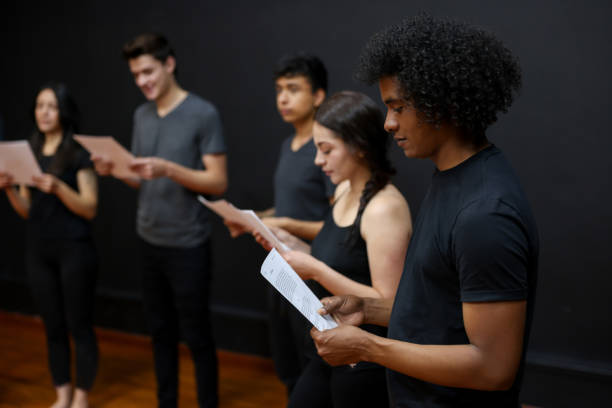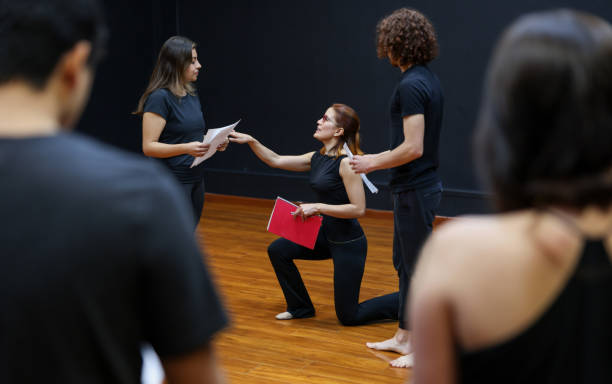
 Starting your journey into the world of acting can be both exciting and daunting. Preparing effectively for your first acting class can help you feel more confident and get the most out of the experience. Below are some practical tips and insights to ensure you’re ready when you walk through the door.
Research the Class and Instructor
Understanding what to expect from your class can make a significant difference in how you prepare for it.
- Read Reviews: Look online for reviews or testimonials about the class. Other students’ experiences can give you a clear picture of what’s ahead.
- Understand the Format: Some classes may focus on scene work, while others emphasize improvisation or technique. Knowing this in advance allows you to align your expectations.
- Learn About the Instructor: Research their teaching style, background, or any notable credentials they might have. This will help you form realistic expectations about their approach.
Dress Comfortably but Appropriately
Dressing appropriately will allow you to move freely without distractions while maintaining a professional appearance.
- Choose clothing that is comfortable yet fitted (such as stretchy pants, leggings, or t-shirts).
- Avoid accessories like large jewelry that could be distracting during exercises or scene work.
- Wear shoes suitable for movement—soft-soled shoes or sneakers often work well unless otherwise specified by your instructor.
Bring Essential Materials
Having everything you need on hand will allow you to focus fully during the class.
| Item | Purpose | Example |
| Notebook & Pen | To take notes on techniques, feedback, or exercises | Small journal or pocket-sized notebook |
| Water Bottle | To stay hydrated during physically demanding activities | Reusable water bottle |
| Script/Scenes (if required) | For pre-assigned readings; check with your instructor | Printed script |
| Comfortable Clothing | Ensures maximum movement without constraints | Stretchy pants and breathable shirts |
Pro Tip: Confirm with your instructor if there are additional materials like monologues, props, or books you’ll need to bring along before starting.
Mentally Prepare Yourself
Acting classes often push individuals outside their comfort zones. Keeping an open mind is crucial when stepping into this creative space.
- Set Realistic Expectations: Understand that perfection isn’t expected; these classes exist to help you improve over time.
- Be Ready to Collaborate: Acting involves teamwork—be prepared to interact with classmates in exercises or scenes.
- Embrace Vulnerability: Acting often requires delving into emotions and personal experiences. Trust that this is part of growth as an actor.
Key Tips for First-Timers
- Arrive early: This helps reduce stress and gives time to familiarize yourself with the environment.
- Turn off distractions: Silence your phone so it doesn’t interrupt your focus during sessions.
- Ask questions: Don’t hesitate to seek clarification if something isn’t clear during activities or discussions.
- Practice active listening: Pay attention not only when you’re performing but also when observing others—you can learn a lot this way.
By preparing thoughtfully and being open-minded, you’ll set yourself up for success as you embark on this exciting new chapter in acting!
What to Expect When Taking Acting Classes NYC
Embarking on an acting journey can be both exciting and overwhelming, especially if you’re new to the craft. Understanding what lies ahead can help you navigate your path with clarity and confidence. Acting is not just about memorizing lines; it’s a multifaceted art form that requires discipline, emotional depth, and adaptability. Here’s what you can expect as you begin your adventure into the world of acting.
Discover Continuous Learning and Growth Through NYC Acting Classes
Acting is a lifelong pursuit of learning. Even seasoned professionals continually refine their craft through practice at Acting Classes NYC, training, and new experiences. As an aspiring actor, expect to:
– Take ongoing classes to develop your skills.
– Experiment with various techniques, such as Meisner, Stanislavski, or Method acting.
– Learn from industry peers and mentors who challenge you to improve.
Exploring Emotional Vulnerability in New York Acting Schools
Acting requires tapping into a wide range of emotions to bring characters to life authentically. This can be challenging but incredibly rewarding: – Be prepared to explore deeply personal emotions during exercises and performances. – Learn how to manage emotional intensity while remaining grounded. – Develop trust with yourself and your scene partners in emotionally-charged scenarios.
Embracing Rejection: Insights from an Acting Coach New York
Rejection is common in the entertainment industry, even for talented actors. It’s important to build resilience: – Remember that rejection doesn’t necessarily reflect your abilities. – Use feedback from auditions or critiques constructively. – View every audition as a learning opportunity rather than solely as a means to land a role.
Collaboration is Key
Acting is rarely a solo endeavor; it often involves working closely with directors, writers, crew members, and other actors: – Be open-minded when receiving direction or adapting your performance for the benefit of the entire production. – Foster strong communication skills for effective teamwork on set or stage. – Build relationships with fellow actors who can become valuable collaborators in future projects.
Balancing Passion with Practicality
While passion fuels creativity, aspiring actors must also approach their careers strategically:
| Aspect | Tips | |————————–|————————————————————————-|
| Time Management | Balance auditions, classes, rehearsals, and other commitments effectively.|
| Financial Planning | Budget wisely for training costs or periods without consistent income. |
| Networking Opportunities | Attend events like workshops or local productions to meet industry professionals.|
Celebration of Small Wins
Not every milestone will involve landing a major role or signing with an agent—and that’s okay: – Celebrate achievements like nailing difficult scenes in class or receiving positive feedback from peers. – Track progress over time by reflecting on how far you’ve come since starting out.
Understanding these aspects will help set realistic expectations while keeping you motivated throughout your journey into acting. By embracing challenges as opportunities for growth and staying committed to the process of self-improvement, you’ll be better equipped for whatever lies ahead in this dynamic field of artistry.
How to Practice and Hone Your Acting Skills at Home
Practicing your acting skills at home is an excellent way to refine your craft, build confidence, and deepen your understanding of the art form. Whether you’re just starting out or looking to enhance your existing skills, consistent and focused practice can make a significant difference. Below are practical strategies, exercises, and tools that you can use to improve your acting abilities from the comfort of your home.
1. Develop a Daily Practice Routine
- Warm-Up Exercises: Start with physical and vocal warm-ups to prepare your body and voice for performance.
- Stretching exercises for flexibility and relaxation.
- Breathing exercises to improve lung capacity and control.
- Simple vocal scales to enhance clarity, tone, and projection.
- Script Work: Spend time analyzing scripts, memorizing lines, and practicing delivery with different emotions or perspectives.
- Monologue Practice: Select monologues from plays or films that resonate with you. Focus on exploring the character’s motivations and emotions as you perform them.
2. Improve Your Observation Skills
- Take note of how individuals express emotions through body language, gestures, facial expressions, or voice tone.
- Watch movies or theater performances critically by analyzing actors’ techniques – how they use pauses, eye contact, or movement to convey meaning.
Keep an observation journal where you jot down interesting behaviors or traits that could inspire future characters.
3. Engage in Self-Taping Sessions
| Tools You’ll Need | Suggested Options |
| Smartphone/Camera | High-quality smartphone with a decent camera app or DSLR camera |
| Tripod | Adjustable tripod for stable recording |
| Lighting | Ring light or softbox lights |
Record yourself performing monologues or scenes multiple times while experimenting with different tones and styles. Review these recordings critically – assess areas like posture, diction, pacing, emotional connection, etc., then refine accordingly.
4. Explore Improvisation Exercises
- Word Association Games: Practice responding quickly using related words without hesitation.
- Character Exploration: Create characters based on prompts (e.g., “a nervous traveler”) then act out improvised scenes.
- Object Exercises: Interact with random household objects creatively (e.g., pretending a broomstick is a microphone). This builds imagination.
5. Read Widely About Acting Techniques
- Study books like “An Actor Prepares” by Konstantin Stanislavski or “The Meisner Technique” by Sanford Meisner.
- Research methods associated with renowned practitioners such as Stella Adler or Lee Strasberg.
- Apply these techniques during rehearsals at home.
6. Join Online Communities & Platforms
- Participate in virtual acting workshops organized via platforms like Zoom.
- Join online forums (e.g., Reddit’s r/acting) where peers exchange advice/tips regularly.
By integrating these practices into daily life effectively over time will help strengthen artistic proficiency organically
Essential Gear and Tools Every Aspiring Actor Should Have
Equipping yourself with the right tools and resources is crucial as you embark on your acting journey. While talent, dedication, and passion are fundamental, having the appropriate gear can help elevate your craft and make your preparation more efficient. Below is an overview of essential items that every aspiring actor should consider.
1. A Reliable Acting Journal
An acting journal is an indispensable tool for tracking progress, recording character notes, or reflecting on lessons from classes or rehearsals. Here’s how it can help:
– Script Analysis: Write down interpretations of scenes or characters.
– Emotion Tracking: Jot down emotions experienced during performances to refine emotional recall techniques.
– Goal Setting: Create actionable goals for improving specific skills such as voice modulation or body movement.
2. Scripts and Monologue Material
Every actor needs access to scripts and a collection of monologues suited to various genres (drama, comedy, classical). Consider these options:
– Books with Monologue Collections: Look for reputable publications featuring audition-ready material.
– Online Resources: Websites like StageAgent or Monologue Archive offer free scripts tailored to different experience levels.
3. Recording Equipment
| Item | Purpose | Recommendations |
| Camera/Smartphone | Recording high-resolution videos | Smartphones with HD capabilities work well |
| Tripod | Ensures steady shots | Adjustable tripod for various angles |
| Lighting Kit | Enhances video quality | Affordable LED ring lights |
| Microphone | Captures clear audio | Lavalier or directional microphones |
4. Acting Books and Resources
Studying acting theory helps build a solid foundation in performance arts. Some must-read books include:
– An Actor Prepares by Konstantin Stanislavski – A classic introduction to method acting principles. – The Actor’s Art and Craft by William Esper – Focuses on Meisner technique. – Audition by Michael Shurtleff – Offers practical advice for auditions.
5. Comfortable Clothing & Props
Being physically prepared is just as important as mental preparation in acting classes:
– Wear clothing that allows free movement (e.g., yoga pants or sweatpants).
– Keep basic props like scarves, hats, or simple household items handy for improvisation exercises.
6. Voice Training Apps & Tools
Apps to Improve Diction & Projection:
1. Accent Training Apps (e.g., ELSA Speak) – Great for mastering accents required for different roles. 2. Warm-Up Tools like VoxTools – Helps with vocal exercises before rehearsals.
Additional Tools:
Invest in a portable voice recorder to practice lines and analyze tone delivery later.
Final Thoughts on Gear Selection
While some tools may seem optional at first glance, they play a significant role in shaping your growth as an actor over time when used consistently alongside formal training sessions or self-practice routines at home.
Frequently Asked Questions About Starting Acting Classes
Starting acting classes can feel like stepping into an unknown world, especially for beginners. Below are some commonly asked questions about starting acting classes, along with insights to help you navigate your journey effectively.
What Should I Wear to My First Acting Class?
Dressing appropriately for an acting class is essential. Most instructors recommend wearing comfortable clothing that allows for free movement. Acting involves physical activities like stretching, blocking, or improvisation exercises, so restrictive clothing could hinder your performance.
- Loose-fitting pants or yoga pants
- A plain t-shirt or tank top
- Comfortable sneakers or dance shoes
- Heavy accessories (e.g., large jewelry)
- Tight jeans or formal wear
- Uncomfortable shoes
Do I Need Prior Experience to Enroll?
Most beginner acting classes are designed with no prior experience in mind. Instructors often prioritize creating a safe, inclusive environment for newcomers to explore their creativity and gain foundational skills. It’s completely normal to start with little-to-no knowledge of acting techniques.
How Much Do Acting Classes Typically Cost?
| Type of Class | Average Cost (per session) |
| Group classes (weekly) | $20–$50 |
| Private coaching | $75–$150 |
| Online classes | $15–$40 |
Many studios offer bundle discounts if you purchase multiple sessions upfront.
What Will I Learn in an Introductory Class?
- Introduction to script analysis
- Fundamentals of stage presence
- Breathing and voice control techniques
- Simple improvisational exercises
- Collaboration with scene partners
These foundational skills prepare students for more advanced concepts such as method acting, emotional recall, or movement training.
How Can I Prepare Mentally Before Starting?
Mental preparation can make a significant difference when starting your first class. Feeling nervous is natural; however, cultivating the right mindset will help you relax and engage fully during lessons.
Tips for mental preparation:
1. Focus on growth over perfection: Remember that it’s okay to make mistakes in class; learning from them is part of the process. 2. Leave self-consciousness at the door: Acting requires vulnerability—remind yourself that others in the class are likely feeling just as nervous as you. 3. Set personal goals: Whether it’s improving confidence speaking in front of others or mastering basic techniques, having clear objectives can motivate you to stay consistent.
Can Anyone Be Good at Acting?
There’s a common misconception that only people with “natural talent” can succeed in acting. While innate ability may help some individuals excel sooner, acting is ultimately a skill that can be learned through training and practice over time.
Key factors contributing to success include: – Consistent effort and perseverance – Openness to feedback from instructors and peers – A willingness to step out of your comfort zone
Remember: Every professional actor started from somewhere—they too were once beginners.
Are There Opportunities Beyond Traditional Theater?
- Film and television roles (e.g., commercials, indie films)
- Voice-over work for animation or audiobooks
- Corporate gigs like training videos or live events
- Social media content creation (e.g., short-form storytelling)
- Video game motion capture projects
Acting classes often provide exposure not only to traditional methods but also insights into these diverse opportunities within the entertainment industry.
By addressing these frequently asked questions thoughtfully beforehand, you’ll feel more prepared—and excited—about embarking on your journey into the art of acting!
Why Selecting the Right Acting Class Can Shape Your Career
Choosing the right acting class is a crucial step for any aspiring actor. The training you receive doesn’t just refine your craft; it also sets the foundation for your growth, networking opportunities, and career trajectory in the entertainment industry.
Factors to Consider When Choosing an Acting Class
- Instructor’s Credentials: Look for instructors with professional experience in acting or directing. Their insights and connections can provide valuable guidance.
- Class Style: Decide whether you want to focus on a particular technique (e.g., Meisner, Stanislavski, or Method Acting) or a general approach that covers multiple methodologies.
- Class Size: Smaller classes often provide more individualized attention, while larger settings might simulate real-world dynamics better.
- Industry Connections: Some classes include showcases or networking opportunities with agents, casting directors, and other professionals.
- Location and Cost: Consider practical factors like proximity to your home and whether fees fit your budget.
Benefits of Selecting the Right Class
- Skill Building: Learn how to manage voice modulation, body language, improvisation techniques, and emotional recall.
- Confidence Development: Acting classes teach you how to handle stage fright or camera anxiety effectively.
- Networking Opportunities: Build relationships with fellow students who may become collaborators in future projects.
- Feedback from Professionals: Constructive criticism from experienced instructors helps refine performances quickly.
Comparing Types of Acting Classes
| Type of Class | Focus Area | Ideal For |
| Beginner’s Classes | Basic techniques and confidence building | Individuals new to acting |
| Scene Study | In-depth work on specific scenes | Intermediate actors |
| Improv Classes | Spontaneity and quick thinking | Those wanting to enhance creativity |
| On-Camera Training | Working in front of a camera | Actors pursuing film/TV roles |
| Specialty Workshops | Techniques like accents or physical theater | Advanced skill development |
Questions to Ask Before Enrolling
Before committing to an acting class, ask yourself these questions:
– Does this course align with my goals (stage vs. screen)?
– What is the teaching style of the instructor?
– Are there opportunities for performance or showcases?
– What do past students say about this program?
Doing thorough research ensures that your time and financial investment yield maximum returns.
Long-Term Impact on Your Career
The connections made during these early stages can directly influence future professional success. By choosing a reputable program tailored to your needs, you’ll build not only skills but also confidence that translates into auditions and performances. A well-chosen class provides foundational tools that continue shaping your craft throughout your career—making this decision one of the most impactful steps toward becoming a successful actor.
Building Confidence and Skills Through Professional Acting Training
Professional acting training is one of the most impactful ways to develop both confidence and mastery in the craft of acting. Many aspiring actors find that even with raw talent, deliberate skill-building and structured guidance are necessary to elevate their performance. Here’s a look at how professional acting courses contribute to your growth as an actor and a few strategies for making the most out of your training.
The Role of Professional Training in Confidence Building
- Providing a Safe Environment: Acting classes are designed to be judgment-free spaces where students can experiment without fear of failure.
- Encouraging Constructive Feedback: Trained instructors provide actionable feedback that addresses weaknesses while highlighting potential strengths.
- Improving Public Speaking Skills: Learning how to project your voice, articulate clearly, and engage an audience gradually builds confidence in public settings.
- Developing Emotional Awareness: Exercises like improvisation or character analysis teach actors to access emotions more freely while maintaining control.
Confidence doesn’t just emerge overnight—it grows through consistent practice, challenges, and incremental successes within a structured program.
Key Skills You’ll Develop Through Training
| Skill | Why It’s Important |
| Character Development | Teaches you how to embody a role authentically. |
| Voice Modulation | Helps you control tone, projection, and speech clarity. |
| Movement & Body Language | Ensures physical presence aligns with emotional delivery. |
| Emotional Range | Enhances your ability to portray complex emotions believably. |
These technical elements combine with soft skills like collaboration, empathy, and adaptability—qualities that enrich both personal growth and artistic expression.
Tips for Maximizing Benefits from Acting Classes
- Set Clear Goals
Define what you want to achieve from the class—whether it’s mastering audition techniques or becoming more comfortable on stage. - Practice Outside Class
Reinforce what you’ve learned by dedicating time at home for practice (e.g., memorizing monologues or rehearsing scenes). - Seek Feedback Actively
Don’t hesitate to ask instructors for additional insights into areas where you can improve. - Collaborate With Peers
Working with classmates not only enhances teamwork but also exposes you to different perspectives on acting techniques. - Stay Open-Minded
Be willing to step out of your comfort zone—to take risks, make mistakes, and embrace characters or exercises that challenge your natural instincts.
The Long-Term Impact of Professional Acting Classes
Investing time in professional training pays dividends throughout an actor’s career. Beyond honing specific techniques or preparing for auditions, these classes cultivate resilience—a critical quality in any creative profession.
Actors who consistently engage in formal training often display greater versatility when approaching complex roles or adapting to industry trends over time. Furthermore, they build a network of peers and mentors who can offer support throughout their journey. When approached thoughtfully, professional acting programs become not just educational experiences but transformational ones as well.
- Tips for Choosing the Best Acting Schools in New York to Prepare for Your First Class
- How to Prepare for Success at Acting Schools in New York and What to Expect
- NYC Acting Classes: The Best Way to Start Your Acting Journey and Build Confidence
- Making the Most of Acting Classes NYC: How to Prepare for Your First Lesson
- Best Acting Classes NYC: Tips for Beginners to Kickstart Your Journey
- Private NYC Acting Classes vs. Group Sessions – Choosing the Best Option for Your Growth as an Actor
- How Acting Classes NYC Options Stack Up: Online vs. In-Person Training
- Pros and Cons of Attending New York Acting Schools: Is It the Right Path for You